

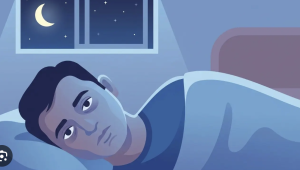
Derived from the Greek words narke (numbness) and lepsis (to seize), narcolepsy is a chronic, neurological sleep disorder that severely alters how the brain manages sleep and wakefulness.
Rather than experiencing fatigue only after a long day, individuals with narcolepsy experience irresistible bouts of daytime sleepiness and sudden “sleep attacks”—often triggered by relaxing environments or strong emotional reactions.
Understanding how narcolepsy affects the brain, recognizing its key symptoms, and knowing its primary causes are crucial steps toward proper medical evaluation and treatment.
🧠 1. What Happens in the Brain? The Role of Orexin
To understand narcolepsy, it helps to look at the hypothalamus—the region in the forebrain responsible for regulating autonomic functions like body temperature, hunger, and sleep-wake cycles.
- The Neurotransmitter Trigger: The primary biological cause of narcolepsy is a deficiency in orexin (also known as hypocretin), a vital brain chemical produced in the hypothalamus that keeps us awake and stabilizes sleep architecture.
- Autoimmune and Biological Triggers: In most cases, the immune system mistakenly attacks and destroys orexin-producing neurons. Factors contributing to this loss include genetic predisposition, severe stress, brain trauma, or severe viral/bacterial infections.
📋 2. Recognizing the Core Symptoms
Narcolepsy manifests through a distinct set of neurological symptoms, though severity varies widely among individuals:
- Excessive Daytime Sleepiness (EDS): Persistent, overwhelming drowsiness throughout the day, often leading to sudden sleep attacks during work, meals, or conversations.
- Cataplexy: A sudden, temporary loss of muscle tone triggered by strong emotions (such as laughter, surprise, or anger). This can cause mild facial drooping or complete body collapse while the individual remains fully conscious.
- Sleep Paralysis: The temporary inability to move or speak for a few seconds or minutes upon waking or falling asleep.
- Hypnagogic Hallucinations: Vivid, often frightening sensory visions or auditory perceptions experienced at the transition between wakefulness and sleep.
- Disrupted Nighttime Sleep: Frequent awakenings during the night despite daytime exhaustion.
📊 Narcolepsy Facts & Statistics at a Glance
| Metric / Demographic | Estimate / Data |
| Typical Onset Age | 15–20 years old |
| Estimated US Population Affected | ~215,000 individuals |
| Prevalence of Cataplexy in Narcoleptics | ~70% of diagnosed cases |
| Patients Experiencing All 4 Main Symptoms | 10% to 35% |
| Family Genetic Link Rate | 8% to 12% |
| Primary Specialist for Treatment | Neurologist / Sleep Specialist |
🩺 3. Diagnosis and Seeking Medical Care
Because narcolepsy is a neurological condition, diagnosis begins with a comprehensive physical exam and specialized sleep studies (Polysomnography and Multiple Sleep Latency Tests) managed by a neurologist or board-certified sleep specialist.
Once diagnosed, medical treatments—such as wakefulness-promoting agents like Modafinil (Modalert, Modvigil) or Armodafinil—can help stabilize sleep-wake cycles, allowing patients to regain control over their daily routines and live full, active lives.